


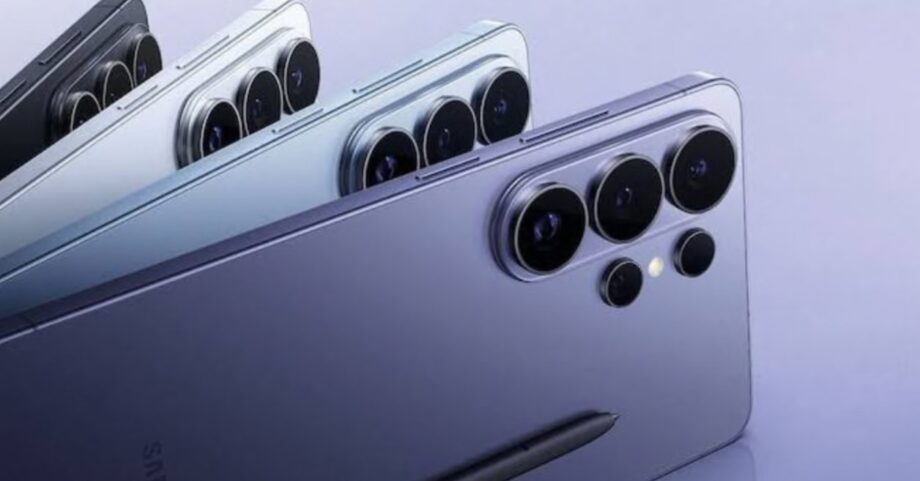
Certification photos reportedly show batteries linked to Samsung’s upcoming flagships, but the widely discussed 5,700mAh and 5,200mAh figures remain estimates rather than confirmed retail specifications.
Batteries believed to be intended for the Samsung Galaxy S27 Ultra and the rumoured Galaxy S27 Pro have reportedly appeared in South Korea’s Safety Korea certification database.
The reported entries identify two battery models manufactured by Zhuhai CosMX Power Jinwan Subsidiary in China. However, the capacities are not legible in the published photographs, limiting what the images themselves establish.
The photographs add another piece to the devices’ reported development trail. They do not, on their own, confirm Samsung’s final battery sizes or the commercial identity of either handset.
Which battery models have appeared?
The certification report associates the following components with Samsung’s anticipated phones:
| Expected device | Reported battery model | Reported certification number |
|---|---|---|
| Galaxy S27 Ultra | EB-BS958DBY | YU10899-26034 |
| Galaxy S27 Pro | EB-BS957CBY | YU10899-26036 |
The units are described as pre-production samples, meaning the final retail components may differ. TechLayers could not independently retrieve the populated certification records through the linked database page.
Where the 5,700mAh and 5,200mAh figures come from
Earlier reporting on Chinese regulatory filings gives a 5,534mAh rated capacity for the battery associated with the Ultra and 5,087mAh for the one linked to the Pro.
Those reports suggest possible advertised typical capacities of approximately 5,700mAh and 5,200mAh, respectively. They also describe earlier certification evidence pointing to 60W wired charging for both phones.
The distinction between a reported rated figure and an estimated typical figure matters. The higher number should not be presented as though it is clearly printed in the new Safety Korea photographs or confirmed by Samsung.
There is also no universal calculation that turns every rated capacity into an exact marketing figure. Until official specifications arrive, the estimated typical capacities need to retain their qualifiers.
Would a larger battery guarantee longer battery life?
No. Capacity is only one part of the endurance equation.
For illustration, moving from 5,000mAh to 5,700mAh represents a 14% capacity increase. It would not automatically mean 14% longer runtime: display consumption, processor efficiency, connectivity and software behaviour also affect results.
Likewise, a maximum charging-power figure cannot establish a full charging time. How long a phone sustains that power, its temperature and its charging controls all matter.
The useful comparison will eventually be measured runtime and charging performance on finished devices, rather than capacity figures alone.
Silicon-carbon technology remains a separate question
The new photos do not establish a silicon-carbon battery breakthrough. Reports suggesting that technology should remain separate from the reported component identifiers and capacity figures.
A battery photograph also cannot demonstrate that a future phone will be thinner, lighter or more durable. Those conclusions require additional specifications and testing.
For now, the certification reporting supports cautious interest in larger batteries. It leaves the final capacities, battery chemistry and the rumoured Pro model’s place in Samsung’s lineup unresolved.