

The artificial intelligence boom has created some surprising winners and losers in global financial markets.
While the world’s largest technology companies collectively lost an estimated $2.3 trillion in market value during a period of heightened investor scrutiny, a select group of semiconductor and hardware companies moved in the opposite direction, adding billions to their valuations as demand for AI infrastructure accelerated.
The shift highlights a growing divide within the technology sector. Investors remain excited about artificial intelligence, but many are increasingly focused on identifying where the industry’s biggest profits are likely to emerge.
Why Investors Are Becoming More Selective
Over the past two years, major technology companies have committed hundreds of billions of dollars toward artificial intelligence development, data centers, cloud infrastructure, and advanced computing systems.
However, investors are beginning to ask a crucial question: when will those investments generate meaningful financial returns?
Market participants have become increasingly cautious as companies continue spending aggressively on AI expansion while the long-term revenue impact remains uncertain.
This change in sentiment has contributed to volatility across some of the world’s largest technology stocks, even as enthusiasm for AI remains strong.
The Real Winners May Be Building the Infrastructure
While software and platform companies work to monetize AI applications, another group of businesses is already benefiting from the surge in spending.
These companies provide the physical infrastructure required to power artificial intelligence systems, including advanced chips, memory solutions, semiconductor manufacturing technologies, and networking hardware.
As demand for AI computing capacity continues to rise, investors have increasingly turned their attention toward the suppliers enabling the industry’s rapid expansion.
TSMC: The Manufacturing Backbone of AI
Taiwan Semiconductor Manufacturing Company (TSMC) remains one of the most important players in the global AI ecosystem.
The company manufactures many of the advanced processors used in artificial intelligence applications, making it a critical supplier for some of the world’s leading technology firms.
As AI chip demand continues to grow, TSMC has benefited from increased production requirements and long-term customer commitments.
Industry analysts widely view the company as one of the key beneficiaries of sustained AI infrastructure spending.
ASML: The Technology Behind Advanced Chip Production
Dutch technology company ASML occupies a unique position within the semiconductor supply chain.
Its advanced lithography systems are essential for producing next-generation chips used in AI workloads and high-performance computing environments.
Because there are limited alternatives for the sophisticated equipment ASML produces, the company remains strategically important to global semiconductor manufacturing.
Growing demand for advanced processors has translated into increased interest from investors seeking exposure to the AI infrastructure theme.
SK Hynix: Benefiting From the Memory Boom
Artificial intelligence systems require enormous amounts of high-speed memory to process and manage data efficiently.
SK Hynix has emerged as one of the leading suppliers of High Bandwidth Memory (HBM), a critical component used in AI accelerators and advanced computing systems.
As demand for AI hardware has increased, memory technologies have become one of the most closely watched segments of the semiconductor industry.
The company’s strong positioning within this market has contributed to significant investor enthusiasm.
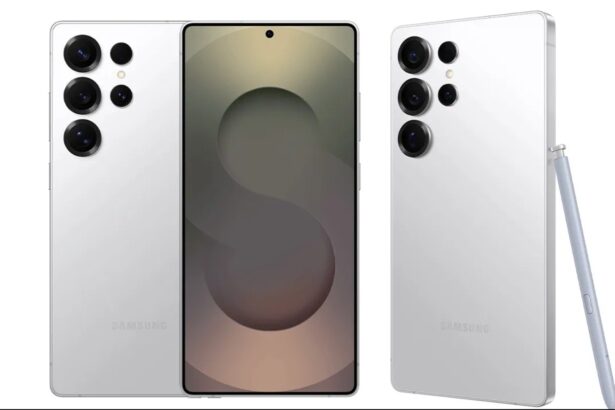
Samsung Electronics: Capitalizing on Growing Component Demand
Samsung Electronics continues to play a major role in the global semiconductor market through its memory and chip manufacturing operations.
The company has benefited from increasing demand for memory products, which remain essential to AI infrastructure deployments.
With data centers expanding worldwide and AI workloads becoming more complex, memory suppliers have become increasingly important participants in the broader technology ecosystem.
Samsung’s diversified technology portfolio also provides exposure to several areas experiencing growth from the AI transition.
AI Spending Is Reshaping Market Leadership
The current market environment illustrates a broader trend: investors are increasingly distinguishing between companies funding AI expansion and those directly supplying the hardware required to support it.
The AI value chain extends far beyond software applications and consumer-facing products.
It includes:
- Semiconductor manufacturing
- Memory technologies
- Chip production equipment
- Data center infrastructure
- Networking solutions
- Cloud computing hardware
Companies operating in these segments are becoming increasingly important as global AI adoption accelerates.
Earnings Season Could Be the Next Major Test
Attention is now turning toward upcoming corporate earnings reports, which could provide further insight into whether massive AI investments are beginning to generate stronger financial returns.
Investors will be closely watching:
- AI-related revenue growth
- Data center spending trends
- Infrastructure demand forecasts
- Profit margins
- Capital expenditure plans
These metrics may help determine whether recent market rotations continue or whether confidence returns to the largest technology companies.
The Bigger Picture
Artificial intelligence remains one of the most powerful themes shaping global markets, but investors are becoming more selective about where they expect value creation to occur.
While technology giants continue investing heavily in future AI opportunities, semiconductor manufacturers and infrastructure suppliers are already seeing direct benefits from the industry’s rapid expansion.
For now, the companies building the foundation of the AI revolution appear to be attracting some of the strongest investor confidence, underscoring the growing importance of the hardware powering the next generation of technological innovation.