


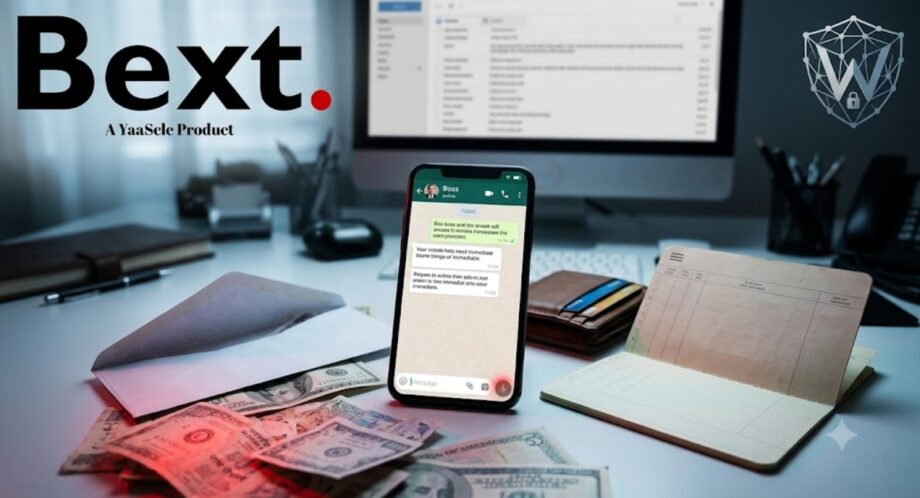
New Delhi: Cybersecurity agencies have issued a warning about a growing WhatsApp scam in which fraudsters impersonate company executives and senior management officials to trick employees into making urgent payments or revealing sensitive information.
The scam is particularly dangerous because, in some cases, the messages may originate from genuine WhatsApp accounts that have already been compromised, making the communication appear authentic and trustworthy.
Authorities say the fraud is part of a broader trend of increasingly sophisticated cyberattacks targeting businesses, executives and employees across multiple sectors.
How the WhatsApp Boss Scam Works
According to alerts issued by Indian cybercrime authorities, fraudsters pose as company founders, CEOs, directors or senior executives and send urgent requests through WhatsApp.
The messages typically create a sense of urgency and may include instructions such as:
- Making an immediate bank transfer
- Purchasing gift cards or vouchers
- Settling a confidential payment
- Sharing sensitive company information
- Opening an attached file for review
The scammers rely heavily on pressure tactics, hoping employees will act quickly without verifying the request.
Because the message appears to come from a trusted authority figure, victims are often less likely to question its legitimacy.
Executives Are Being Targeted First
Cybersecurity experts warn that the attack often begins by targeting senior executives.
In several reported cases, scammers have impersonated government officials or financial regulators and contacted company leaders through WhatsApp, email or messaging platforms.
The communication may claim there is an urgent compliance issue, financial review or regulatory concern requiring immediate attention.
Victims are then encouraged to download a ZIP file or open an attachment that appears legitimate.
However, the file may contain malicious software designed to compromise devices, steal credentials or gain unauthorized access to messaging accounts.
Why Compromised Accounts Make the Scam More Dangerous
One of the most concerning aspects of the latest scam is the possibility of account takeover.
If attackers gain access to an executive’s WhatsApp account, they can use the genuine profile, contact list and communication history to target employees and business partners.
Messages coming from an authentic account are significantly more convincing than those sent from an unknown number.
This makes it much harder for recipients to distinguish between a legitimate request and a fraudulent one.
Cybersecurity professionals describe this as a form of business impersonation fraud that combines social engineering with account compromise techniques.
Red Flags Employees Should Watch For
While scammers continue to refine their methods, several warning signs can help identify suspicious requests.
Employees should be cautious if they receive messages that:
- Demand immediate payment
- Stress secrecy or confidentiality
- Request unusual financial transactions
- Ask for gift card purchases
- Include unexpected attachments
- Contain links to unfamiliar websites
- Pressure recipients to bypass normal approval processes
Urgency remains one of the most commonly used tactics in cyber fraud.
Criminals know that rushed decisions often bypass standard security checks.
How to Protect Yourself and Your Organization
Cybersecurity experts recommend following a strict verification process before responding to any payment request.
Key safety measures include:
Verify Through Another Channel
Never approve financial transactions based solely on a WhatsApp message, email or text.
Always confirm requests through:
- A direct phone call
- A video meeting
- Official company communication channels
- Internal approval workflows
Avoid Opening Suspicious Attachments
Do not download ZIP files, executable programs or unexpected attachments from unknown sources.
Even if the sender appears familiar, verify the request before opening any file.
Enable Two-Factor Authentication
Activating two-factor authentication on WhatsApp and other business accounts adds an additional layer of protection against unauthorized access.
Educate Employees Regularly
Organizations should conduct periodic cybersecurity awareness training to help staff recognize evolving fraud techniques.
Employee awareness remains one of the most effective defenses against social engineering attacks.
Why These Scams Are Increasing
Cybercriminals are increasingly focusing on human behavior rather than technical vulnerabilities.
Instead of hacking complex systems, many attackers exploit trust, urgency and authority to manipulate victims into taking actions themselves.
The widespread use of messaging platforms for business communication has created new opportunities for fraudsters to impersonate executives and conduct targeted attacks.
As remote and hybrid work environments continue to grow, verifying digital communications has become more important than ever.
What To Do If You Suspect a Scam
If you receive a suspicious message:
- Do not make any payment.
- Avoid opening attachments or links.
- Contact the sender through another verified channel.
- Report the incident to your organization’s IT or cybersecurity team.
- Change passwords immediately if an account may have been compromised.
- Report cybercrime through official government reporting platforms.
Quick action can significantly reduce potential financial losses and prevent attackers from targeting additional victims.
Outlook
The latest WhatsApp boss scam serves as a reminder that cybercriminals are becoming increasingly sophisticated in their attempts to exploit trust and authority.
Whether a message comes from a stranger or appears to come from a senior executive, employees should verify financial requests through independent channels before taking action.
In today’s digital environment, a few minutes spent confirming a request can prevent substantial financial losses, protect sensitive information and stop cybercriminals from succeeding.