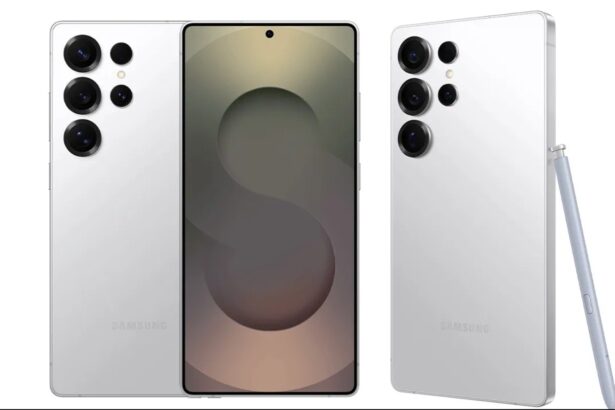


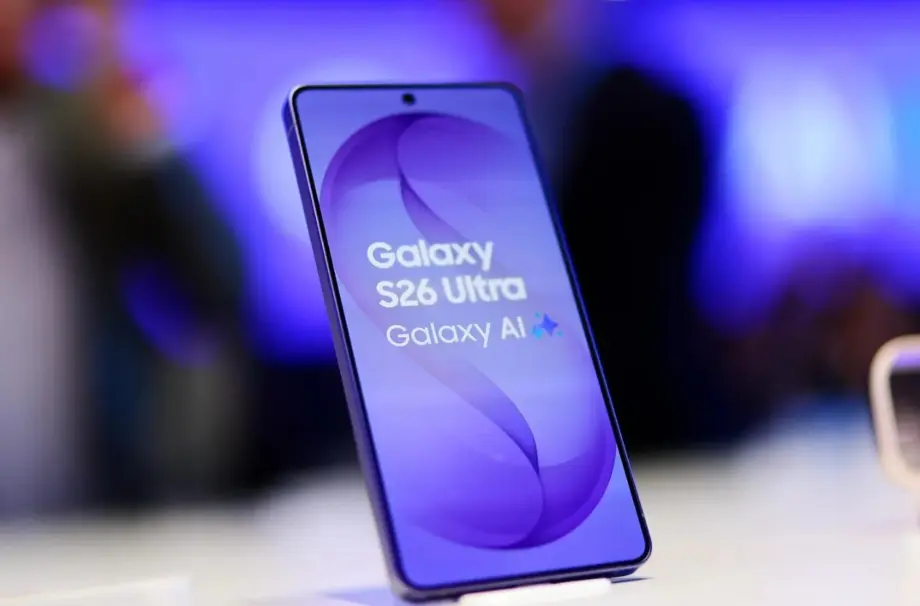
Samsung is moving quickly to bring Android 17 and One UI 9 to Galaxy users, signaling one of the company’s most ambitious software upgrade cycles in recent years. While the latest Android version introduces a refreshed user experience, improved multitasking, and stronger security protections, an even bigger transformation is waiting in the wings.
The next phase of Samsung’s mobile experience will be powered by Gemini Intelligence, a new generation of AI-driven tools designed to perform tasks across apps with minimal user intervention. As the company prepares for its upcoming Galaxy Unpacked event, Android 17 is laying the groundwork for a broader shift toward AI-powered smartphone experiences.
Android 17 Delivers New Features for Everyday Use
Android 17 introduces several practical improvements aimed at productivity, entertainment, and device security.
One of the standout additions is Bubbles, a multitasking feature that allows compatible apps to operate in floating windows above other applications. This makes it easier to chat, browse, or manage tasks simultaneously, particularly on larger displays and foldable devices.
Another new capability is Screen Reactions, enabling users to record their screen activity while simultaneously capturing video from the front-facing camera. This feature is expected to appeal to content creators, educators, and gamers who frequently share tutorials and walkthroughs.
For foldable smartphone owners, Android 17 includes a dedicated gaming interface that uses a split-screen layout. The game occupies the upper portion of the display, while interactive controls and dynamic gaming tools remain accessible below.
Stronger Security and Privacy Controls
Security remains a major focus of Android 17.
The update introduces:
- Temporary location-sharing permissions
- Selective contact-sharing controls
- Enhanced lost-device protection
- Additional biometric safeguards for locked devices
The upgraded “Mark as Lost” system is particularly noteworthy. When activated, it can strengthen protection on a missing device by requiring biometric authentication before access is restored, helping reduce risks associated with stolen phones.
These additions reflect Google’s and Samsung’s growing emphasis on privacy as mobile devices become increasingly integrated into users’ daily lives.
Samsung’s One UI 9 Nears Stable Release
Samsung’s One UI 9 beta program continues to progress rapidly.
The latest beta release focuses primarily on system stability and bug fixes. Improvements include:
- Camera preview corrections
- Lock screen widget fixes
- S Pen gesture enhancements
- Video streaming stability improvements
- Better overall system responsiveness
Samsung has also expanded testing efforts beyond flagship devices, indicating that a wider range of Galaxy smartphones could receive the update shortly after the initial rollout.
Industry observers expect the stable One UI 9 release to begin reaching eligible Galaxy devices in the coming weeks, positioning Samsung among the fastest Android manufacturers to adopt the newest Android version.
AI-Powered Notification Summaries Gain Transparency
One UI 9 also introduces a refined notification management system.
Samsung now labels AI-generated notification summaries more clearly, helping users distinguish between original content and AI-created interpretations. The move reflects growing industry efforts to improve transparency around artificial intelligence features.
As AI becomes more deeply integrated into smartphones, clear labeling may become increasingly important for user trust and regulatory compliance.
Gemini Intelligence Could Be the Biggest Android Upgrade in Years
While Android 17 itself brings meaningful enhancements, the most significant innovation may arrive with Gemini Intelligence.
The upcoming AI platform is expected to introduce advanced agentic capabilities that go far beyond traditional voice assistants.
Planned features include:
App Automation
Users may be able to complete complex tasks through simple requests, with AI handling multiple steps automatically across different applications.
Context-Aware Suggestions
Gemini Intelligence is expected to analyze user context and provide proactive recommendations based on ongoing activities.
Advanced Voice Enhancement
Improved speech processing could help clean up recordings and enhance voice clarity during communication.
Smarter Autofill
Future updates may allow AI to fill forms more intelligently using contextual information while maintaining privacy controls.
Widget Creation Tools
Users could generate customized widgets tailored to specific workflows and preferences.
These capabilities represent a major evolution from today’s AI assistants, moving toward systems that can actively perform tasks rather than simply provide information.
Security Experts Urge Caution as Agentic AI Expands
The rise of agentic AI also raises important cybersecurity questions.
Unlike traditional assistants that require continuous user input, agentic systems can take actions on behalf of users. While this increases convenience, it also creates new attack surfaces.
Security researchers have demonstrated scenarios in which AI systems can be manipulated through hidden instructions embedded within websites or digital content. Such attacks, often referred to as prompt injection attacks, attempt to influence AI behavior in unintended ways.
To address these risks, Google has reportedly implemented multiple layers of protection, including:
- Strict action verification systems
- Source validation controls
- Independent monitoring models
- User confirmation requirements for purchases and sensitive actions
These safeguards are designed to ensure that automated actions remain aligned with user intent.
What Galaxy Users Should Expect Next
For Samsung users, Android 17 and One UI 9 represent more than a routine software update. The release serves as the foundation for a broader AI-driven transformation that could reshape how smartphones handle daily tasks.
In the near term, users can expect improved multitasking, stronger security, and a more polished software experience. Looking further ahead, Gemini Intelligence may introduce entirely new ways of interacting with mobile devices, enabling smartphones to manage increasingly complex workflows with limited manual input.
As Samsung continues expanding its AI ecosystem, the company’s next generation of software could become one of the most significant advancements in the Android platform’s evolution.
For Galaxy owners, the Android 17 rollout marks the beginning of that transition.