

Japan’s Noto Peninsula is using Pokémon-themed attractions, a redesigned regional airport, and a sightseeing trail to encourage tourism after the devastating 2024 earthquake. The initiative connects popular characters with local culture, businesses, and communities still working to recover.
Japan’s Noto Peninsula is finding an unexpected source of support in one of the world’s most recognizable entertainment franchises: Pokémon.
Nearly three years after a powerful earthquake struck the region on January 1, 2024, communities in Ishikawa Prefecture are continuing efforts to rebuild infrastructure, restore businesses, and welcome visitors.
Now, a Pokémon-themed airport and a network of attractions are offering travelers another reason to explore this scenic coastal region.
The initiative connects The Pokémon Company’s long-running disaster-support activities with local tourism, bringing characters such as Pikachu, Eevee, and Lucario to locations across the peninsula.
While themed attractions cannot solve the challenges of disaster recovery on their own, organizers hope they can encourage travel, support local businesses, and introduce new audiences to Noto’s cultural heritage.
Noto Satoyama Airport Gets a Pokémon Makeover
One of the most visible elements of the project is the transformation of Noto Satoyama Airport into a Pokémon-themed destination.
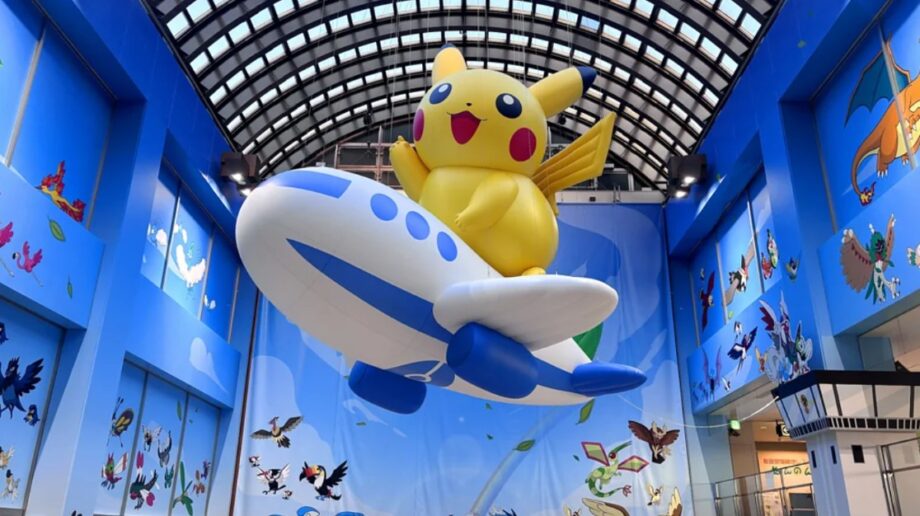
Known as Noto Satoyama Pokémon with YOU Airport, the facility features decorations and installations that turn an ordinary regional airport into a visitor attraction.
A giant inflatable Pikachu welcomes travelers, while other Pokémon characters appear throughout the terminal.
Displays include Machamp carrying luggage, colorful illustrations of flying Pokémon, and decorative designs featuring familiar characters.
Rather than treating the airport solely as a place to catch a flight, the project encourages travelers to explore it as part of their visit.
The collaboration is connected to Pokémon with YOU, an initiative established by The Pokémon Company in 2011 to support communities affected by disasters.
According to the announced program schedule, the Noto airport collaboration is planned to continue until September 2029.
Its extended duration gives tourism operators and regional businesses an opportunity to develop experiences around the attraction beyond a single promotional event.
Why Pokémon Is Part of Noto’s Recovery Strategy
The Noto Peninsula suffered extensive damage during the January 2024 earthquake.
Homes, roads, tourism facilities, and traditional businesses were affected, creating major challenges for communities that depend partly on visitors.
Subsequent severe weather added to the region’s recovery difficulties.
Noto is known for coastal landscapes, agricultural traditions, hot springs, fishing communities, and distinctive local crafts.
However, restoring tourism requires more than repairing famous landmarks. Transport connections, accommodations, restaurants, and other services also need to recover.
That is where the Pokémon initiative may help.
Characters with an established global following can attract attention from travelers who might otherwise overlook a less internationally familiar destination.
Once visitors arrive, they can explore nearby restaurants, local shops, historic sites, and natural attractions.
The potential benefit extends beyond merchandise and character photography. Visitor spending may help businesses operating in communities where recovery is still underway.
Nevertheless, there is not yet enough evidence in the supplied reporting to determine how much additional revenue or sustained employment the initiative has generated.
Pokémon Trail Connects Attractions Across the Peninsula
The airport is only one part of the wider Pokémon-themed tourism experience.
A regional Pokémon Trail links several attractions with local landmarks and cultural destinations.
Rather than concentrating visitors in a single location, the project encourages movement around the peninsula.
Among the highlighted destinations are Wakura Onsen, Shiroyone Senmaida Rice Terraces, Mitsukejima, and Yanagida Botanical Park.
Travelers can encounter themed sculptures, illustrated displays, and other Pokémon installations while discovering places known for their scenery and traditions.
The program also provides a way for families and younger visitors to engage with locations they may not previously have considered visiting.
According to the announced schedule, the Pokémon Trail initiative runs through 2027, although individual attraction dates and access arrangements may differ.
Wakura Onsen’s Pokémon Footbath Marks a Return
One of the trail’s notable stops is Wakura Onsen, a historic hot spring destination overlooking Nanao Bay.
The area was seriously affected by the 2024 earthquake, including damage to infrastructure supporting hot spring facilities.
After an extended closure, a public footbath reopened in May 2026 with Pokémon-themed decorations.
The attraction incorporates statues of Pikachu, Psyduck, and Poliwag, alongside illustrations inspired by the franchise.
A Gyarados-themed water outlet adds another distinctive detail to the experience.
The footbath offers a relaxing stop for travelers, but its reopening also carries significance for the surrounding community.
Wakura Onsen has long depended on visitors staying in traditional Japanese inns, eating at nearby restaurants, and exploring the region.
Although tourism facilities have been gradually returning, some accommodations remain closed or under restoration.
Bringing visitors back to public attractions could help encourage spending at businesses that have reopened.
Pokémon Characters Visit the Historic Rice Terraces
Another major destination on the trail is Shiroyone Senmaida, one of the peninsula’s best-known landscapes.
The site is famous for its small rice paddies arranged across steep slopes overlooking the Sea of Japan.
The name Senmaida is commonly associated with the idea of a thousand rice fields, reflecting the remarkable number of terraces carved into the hillside.
The agricultural landscape represents generations of local farming knowledge and is an important part of Noto’s cultural identity.
Pokémon statues featuring Fuecoco and Lucario add a new attraction to the historic setting.
For fans, they provide a memorable photography opportunity. For the region, they can introduce younger visitors to traditional landscapes that may otherwise receive less attention.
The combination demonstrates a central idea behind the tourism project: using a contemporary entertainment franchise to draw attention to existing cultural and natural attractions.
Visitors should remember that the terraces are part of a working agricultural landscape. Respecting marked paths and avoiding damage to the fields is essential.
Local Businesses Could Benefit From More Visitors
The impact of a tourism campaign depends partly on whether visitors spend time and money beyond the themed attractions.
Wakura Onsen provides one example.
Noto Milk, a local ice cream business, temporarily suspended operations following the earthquake before reopening.
The business has since observed visitors arriving with Pokémon-related clothing and merchandise, suggesting that the initiative is attracting at least some franchise enthusiasts.
Additional foot traffic can create opportunities for restaurants, souvenir shops, accommodation providers, and transport operators.
The longer-term challenge is encouraging repeat visits and ensuring that tourism income reaches communities throughout the region.
A short-term increase in visitors does not necessarily guarantee sustained economic recovery.
However, the combination of recognizable characters and local attractions could provide a useful foundation for rebuilding interest in the peninsula.
How to Explore Japan’s Pokémon Noto Trail
For visitors interested in combining Pokémon attractions with sightseeing, the Pokémon Noto Bus provides a dedicated travel option.
The service is described as connecting locations including Wakura Onsen and Noto Satoyama Pokémon with YOU Airport with selected attractions on the peninsula.
The reported ticket prices are ¥5,000 for adults and ¥2,500 for children.
Reservations are required, and travelers should confirm current schedules, fares, pickup points, and available dates with the operator.
The trail can also be explored using a combination of local transport and taxis, although connections may be limited in some areas.
Notable Places to Visit
Noto Satoyama Pokémon with YOU Airport: Explore themed decorations and character displays inside the regional airport.
Wakura Pokémon Footbath: Visit a restored hot spring footbath decorated with Pokémon characters.
Shiroyone Senmaida Rice Terraces: Discover a coastal agricultural landscape alongside Fuecoco and Lucario installations.
Mitsukejima Area: Explore the coastal scenery and the Sylveon-themed LOVE Monument.
Yanagida Botanical Park: Visit the Pokémon Nakayoshi House, another attraction associated with the regional trail.
Because the peninsula continues to recover from earthquake damage, travelers should confirm road access, operating hours, and local accommodation availability before leaving.
Can Pokémon Really Help Revive Noto?
The Pokémon tourism project represents an imaginative approach to regional promotion.
Instead of building an entirely new tourist destination, the initiative connects popular fictional characters with places that already have historical, cultural, and environmental significance.
That approach may be especially valuable for Noto, where tourism recovery depends on encouraging travelers to return while restoration continues.
There are important limitations, however.
The success of the program cannot be measured solely by the number of visitors taking photographs with Pokémon statues.
Long-term outcomes will depend on transport accessibility, functioning accommodations, local business revenue, infrastructure restoration, and the ability of communities to benefit from renewed tourism.
The initiative also operates alongside much larger recovery efforts involving public authorities, local residents, and businesses.
For international travelers, Noto offers an opportunity to experience a part of Japan that remains less familiar than Tokyo, Osaka, or Kyoto.
For local communities, the arrival of Pokémon-themed visitors could offer another path toward reconnecting with the wider tourism economy.
Whether the strategy produces lasting economic gains remains to be seen.
But by bringing attention to Noto’s landscapes, traditions, and businesses, Pokémon is helping give the region a new story to share with the world.
Have a story tip or feedback? Write to [email protected].