


West Bengal has taken another step toward attracting global semiconductor investments after Japan’s Mitsubishi Chemical Group initiated discussions with the state government regarding potential opportunities in the fast-growing chip manufacturing sector.
The talks come as Indian states intensify efforts to secure investments from international technology and manufacturing companies amid the country’s broader push to develop a domestic semiconductor ecosystem.
Mitsubishi Begins Investment Discussions
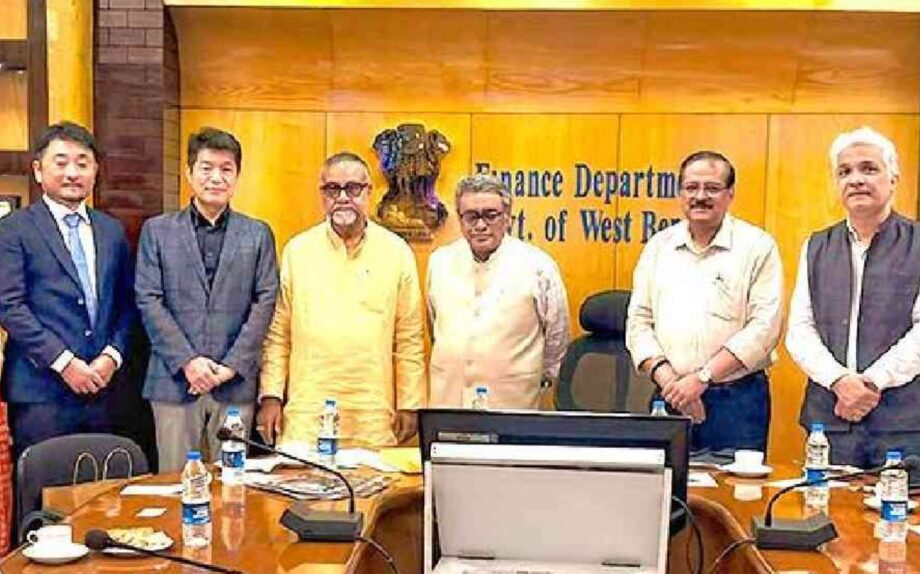
Senior representatives from Mitsubishi Chemical Group met West Bengal government officials in Kolkata to explore opportunities related to semiconductor manufacturing and allied industries.
According to state officials, the Japanese company has expressed interest in evaluating the feasibility of establishing a semiconductor-related unit in West Bengal.
Further discussions are expected later this month as both sides continue to examine investment possibilities and project requirements.
The development is being viewed as a positive sign for the state’s efforts to attract advanced manufacturing projects and strengthen its industrial base.
Why Mitsubishi Matters in the Semiconductor Supply Chain
Mitsubishi Chemical Group is one of Japan’s major industrial and materials companies, operating across advanced materials, specialty chemicals, industrial solutions, and technology-driven manufacturing sectors.
The company plays an important role in the global semiconductor ecosystem by supplying specialized materials and consumables used in wafer fabrication and semiconductor production processes.
With annual revenue exceeding $22 billion in FY25, the group serves multiple high-technology industries and maintains a significant international presence.
Industry observers note that investments from companies involved in semiconductor materials can contribute significantly to the development of a broader chip manufacturing supply chain.
Durgapur and Panagarh Emerge as Potential Locations
West Bengal has identified Durgapur and Panagarh as preferred destinations for semiconductor-related investments.
State officials believe both locations offer strategic advantages, including industrial infrastructure, connectivity, and land availability.
The government had earlier announced plans to pursue semiconductor manufacturing projects in Durgapur as part of its broader industrial development agenda.
Unlike some large-scale manufacturing projects, semiconductor facilities may require comparatively smaller land parcels depending on the nature of operations, making multiple industrial zones suitable for consideration.
Bengal Competes for Semiconductor Investments
The proposed investment discussions come at a time when several Indian states are aggressively competing to attract semiconductor manufacturers and suppliers.
The semiconductor industry has become a strategic priority for governments worldwide due to its importance in electronics, telecommunications, artificial intelligence, automotive technologies, defense systems, and advanced computing.
West Bengal is seeking to position itself as a competitive destination by strengthening industrial policies, improving infrastructure, and offering investment incentives.
However, the state faces competition from established and emerging semiconductor hubs across India.
Reports indicate that Mitsubishi representatives have also explored opportunities in other states as part of their broader assessment of potential investment destinations.
State Prepares New Incentive Framework
To strengthen its attractiveness for investors, the West Bengal government is finalizing a ₹5,000-crore investment promotion framework announced in the state budget.
The proposed framework is expected to include support measures aimed at encouraging investments in advanced manufacturing and technology sectors.
Officials have also highlighted additional initiatives focused on:
- Global Capability Centres (GCCs)
- Artificial intelligence-driven data centres
- Startup ecosystem development
- Technology-led industrial growth
- Advanced manufacturing projects
The government expects these initiatives to complement its semiconductor ambitions and help create a broader innovation ecosystem.
Mitsubishi’s Historical Connection With West Bengal
Mitsubishi Chemical Group is not unfamiliar with West Bengal.
The company previously maintained a significant industrial presence in the state through MCC PTA India Corp, which established a purified terephthalic acid (PTA) manufacturing facility in Haldia.
The plant began operations in 2000 and represented one of the major Japanese investments in the state during that period.
Mitsubishi later exited the business in 2016 through a strategic divestment, but its historical presence provides familiarity with the state’s industrial environment.
India’s Semiconductor Opportunity
India’s semiconductor sector has attracted increasing attention as governments and businesses seek to diversify global supply chains and reduce dependence on concentrated manufacturing locations.
The country has introduced multiple policy initiatives designed to attract investments across semiconductor fabrication, assembly, testing, packaging, design, and materials manufacturing.
Industry experts believe that building a complete semiconductor ecosystem will require not only chip fabrication plants but also suppliers of chemicals, specialty materials, equipment, and related services.
Companies such as Mitsubishi Chemical Group can therefore play an important role in strengthening India’s semiconductor value chain.
Outlook
While discussions remain at an early stage, Mitsubishi Chemical Group’s interest represents a potentially important opportunity for West Bengal’s industrial development ambitions.
The final investment decision will likely depend on several factors, including policy support, infrastructure readiness, incentives, supply-chain access, and long-term business viability.
As India continues expanding its semiconductor capabilities, competition among states is expected to intensify.
For West Bengal, securing a major investment from a globally recognized technology materials company would strengthen its position in the country’s evolving semiconductor landscape and support its broader goal of becoming a leading manufacturing and innovation hub by 2030.