

Meta has introduced Muse Voice, a new feature that brings natural, real-time conversations to its Muse AI assistant. With expressive digital avatars, customisable voices and interruption support, the experience is rolling out across mobile, web and Mac, initially for users in the United States.
Meta is making its artificial intelligence assistant more conversational with the introduction of Muse Voice, a feature designed to let users speak naturally with an AI-powered companion rather than relying entirely on text-based interactions.
The new functionality combines real-time voice conversations with Meta’s Muse Realtime Avatar technology, allowing a digital character to respond using facial expressions and gestures that are intended to reflect the conversation’s mood and tone.
Announced in November 2026, Muse Voice is being rolled out for supported mobile devices, web browsers and Mac computers. Users who receive the feature can start a conversation by selecting the phone icon within the Muse interface.
The launch follows the introduction of the Muse AI assistant in September and represents another step in Meta’s efforts to develop more interactive, personalised AI experiences.
However, access remains geographically limited. Muse Voice is initially available in the United States, while Meta has indicated that support for additional markets is planned.
What Is Meta Muse Voice and How Does It Work?
Muse Voice is a real-time conversational feature built into Meta’s Muse AI assistant.
Instead of typing questions and waiting for written responses, users can communicate directly through speech. The assistant listens to spoken requests and responds using a selected voice.
According to Meta’s announcement, the system also supports animated avatars that react during conversations.
The visual experience is powered by Muse Realtime Avatar technology, which generates facial expressions and gestures intended to make interactions feel more natural.
For example, an avatar may display different expressions or movements depending on the subject and tone of a conversation.
However, these are AI-generated visual responses rather than genuine human emotions. Their purpose is to create a more expressive interface for communicating with an AI system.
Muse Voice is designed to support several types of interactions, from everyday questions and general conversations to information searches and tasks supported by the assistant’s agentic capabilities.
The exact range of actions available may depend on the version of Muse and the user’s region.
Meta Muse Voice Offers Three Conversation Modes
Meta is giving users several ways to interact with the updated assistant.
The experience supports three main conversation formats, allowing users to choose how prominently the animated avatar appears.
1. Face-to-Face Avatar Conversations
This mode presents an animated AI avatar in an interface resembling a video call.
Users can speak directly to Muse while watching the digital character respond through synchronised expressions and gestures.
The experience aims to make AI conversations feel more engaging than traditional voice-only interactions.
Importantly, this is a conversation with a generated digital avatar, not a video call with a real person.
2. Avatar Alongside a Text Conversation
Users can also keep an avatar visible alongside the existing chat interface.
This arrangement combines spoken communication with the ability to view the surrounding conversation.
It may be useful when users want to reference written information while interacting through voice.
3. Voice-Only Conversations
For those who prefer a simpler experience, Muse Voice also supports conversations without an animated avatar.
In this mode, users can communicate with the assistant through speech without keeping the visual character on screen.
This could be useful when users are multitasking or do not need the additional visual experience.
The availability of these modes may vary as Meta expands the rollout.
Muse Realtime Avatar Brings Facial Expressions and Gestures to AI
One of the main technologies behind the update is Muse Realtime Avatar.
Meta says the system allows the assistant’s digital character to react during conversations using expressions and gestures that correspond to the interaction.
This distinguishes the experience from conventional AI voice interfaces that rely mainly on speech output, a text transcript or a static visual indicator.
The technology attempts to make conversations appear more fluid by combining spoken responses with animated visual behaviour.
The avatar can be displayed during a face-to-face interaction or alongside a chat conversation.
The approach could help users feel more engaged with an assistant, particularly during longer discussions.
However, the effectiveness of the technology will depend on factors such as response latency, voice quality, animation timing and the accuracy of the assistant’s answers.
Meta has not provided enough independently tested performance information in the supplied material to establish how consistently the avatar responds under different conditions.
Users Can Interrupt Muse Voice During Conversations
Another important feature is the ability to interrupt the assistant while it is speaking.
Traditional voice assistants can sometimes require users to wait for a response to finish before asking a follow-up question.
Muse Voice is designed to support more flexible interactions, allowing users to speak while the assistant is responding.
This is similar in concept to interruption support offered by conversational AI products such as Google’s Gemini Live.
The feature could make discussions feel more natural because users can correct a question, introduce new information or change the subject without waiting for a lengthy answer to conclude.
For instance, someone asking about travel recommendations could interrupt the assistant to change the destination, adjust a budget or request a different type of suggestion.
These examples illustrate how interruption support may be useful; they do not establish which external actions Muse can perform.
Real-world responsiveness will also depend on how well the assistant handles speech recognition, overlapping audio and changes in conversational context.
Meta Muse Voice Offers Hundreds of Voice and Personality Options
Personalisation is another major part of the Muse Voice experience.
Meta says users can select from hundreds of available voices and styles to customise how their Muse assistant sounds and presents itself.
This means users are not limited to a single default voice when communicating with the AI.
Different voice styles may appeal to people seeking a more formal, relaxed or expressive conversational experience.
Combined with animated avatars, these options are designed to make the assistant feel more personalised.
However, choosing a voice or presentation style should not be confused with changing the underlying accuracy or capabilities of the AI system.
Meta has not detailed every available voice option or explained whether the complete selection will be supported across all platforms and regions.
Meta Muse Voice Availability: Where Can Users Access It?
Muse Voice is initially rolling out in the United States, according to the announcement.
The broader Muse AI assistant was introduced in the US in September 2026 and subsequently expanded to Canada.
However, availability of the assistant and availability of the new voice feature should be treated separately.
Although Muse itself has reached Canada, the supplied announcement identifies the United States as the initial market for Muse Voice.
Meta plans to bring the feature to additional markets, but an exact international expansion schedule has not been announced.
Regional app store restrictions also limit access to the broader Muse application in unsupported countries.
Is Meta Muse Voice Available in India?
As of the November 2026 announcement described in the supplied material, Meta has not confirmed an Indian launch date for Muse Voice.
Indian users should therefore not assume that the feature will immediately appear in their existing Meta applications.
The rollout of Muse Voice is also separate from the Meta AI chatbot available through services such as WhatsApp.
The company has yet to explain when the dedicated Muse experience might become accessible through Indian app stores or whether its full avatar and voice functionality will be offered locally.
Muse Voice Coming to Meta AI Glasses and Muse Charm
Meta has also indicated that Muse Voice will expand beyond smartphones and computers.
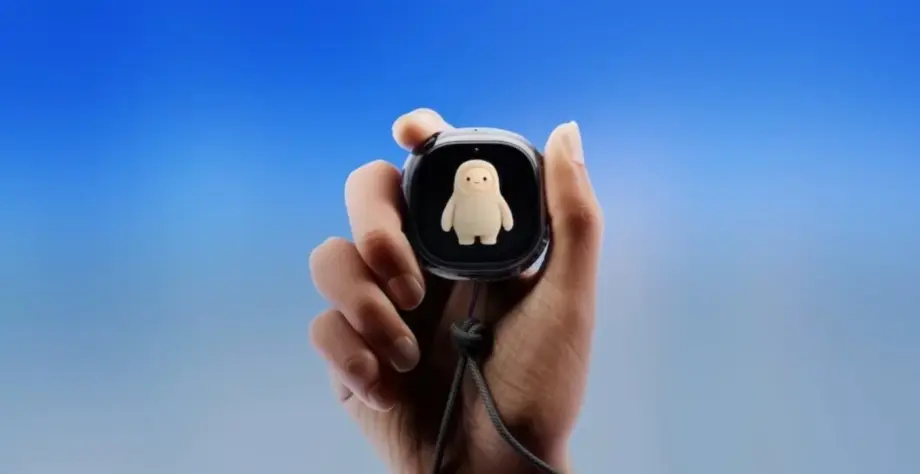
The company plans to bring the feature to its AI glasses and the upcoming Muse Charm device.
This suggests a broader ambition to make conversational AI available through wearable technology.
Voice-based interactions can be particularly relevant to wearable devices because users may not always have access to a conventional screen or keyboard.
However, Meta has not provided a detailed release timeline for Muse Voice on these devices.
It is also unclear how the animated avatar experience will translate to hardware without a traditional display.
Specific device compatibility, interaction methods and regional availability will need further clarification from the company.
How Is Meta Muse Different From the Meta AI Chatbot in WhatsApp?
Although both products are associated with Meta’s AI development efforts, Muse is presented as a different kind of assistant from the chatbot integrated into existing Meta services.
The Muse experience focuses on agentic capabilities, personalisation, animated avatars and longer-term conversational memory.
The Meta AI chatbot available through services such as WhatsApp is described in the supplied report as relying on a more session-oriented memory structure.
The distinction is important because longer-term memory could allow a dedicated assistant to retain relevant conversational context across interactions, subject to the product’s actual memory settings and controls.
Agentic AI capabilities also suggest that an assistant may be able to carry out supported tasks rather than simply generate answers.
However, not every AI assistant can perform the same actions, and the level of autonomy available to Muse has not been fully detailed in the supplied announcement.
Meta’s documentation will be important for understanding which tasks require user approval, how remembered information is controlled and what data is retained.
Meta Muse Voice vs Gemini Live: Key Differences
Both Muse Voice and Gemini Live are designed around conversational AI interactions, including the ability to interrupt spoken responses.
However, Meta’s newly announced feature places additional emphasis on visually expressive digital avatars and extensive voice customisation.
| Feature | Meta Muse Voice | Google Gemini Live |
|---|---|---|
| Real-time voice conversations | Yes | Yes |
| Interrupt spoken responses | Supported | Supported |
| Expressive animated avatars | Central feature of Muse Voice | Not a standard defining feature |
| Voice personalisation | Hundreds of voices and styles reportedly available | Selectable voice options |
| Agentic capabilities | Supported tasks described by Meta | Depends on Gemini features and integrations |
| Platform support | Mobile, web and Mac rollout announced | Supported Gemini platforms |
| Availability | Initial US rollout | Varies by region and platform |
The comparison focuses on the capabilities described in the supplied announcement. Features and availability may change over time.
Meta’s avatar-focused interface could appeal to users who want a more visual and expressive AI experience.
Others may prefer a simpler voice interface without an on-screen character.
Ultimately, the quality of the experience will depend on response accuracy, latency, usability, privacy controls and the tasks each assistant can reliably complete.
What About Privacy and AI Memory?
Muse’s long-term memory and personalised avatar experience also raise practical privacy questions.
A conversational assistant that remembers information over time can potentially provide more relevant responses, but users need to understand what information is stored and how it can be managed.
Voice interactions may also involve audio processing, account data and contextual information.
Before using the service extensively, consumers should review Meta’s official privacy disclosures and the controls provided for voice activity, memory and personalisation.
The supplied announcement does not establish specific audio-retention periods or whether all voice interactions are used for model improvement.
Those details should not be assumed without consulting Meta’s product documentation.
Meta Muse Voice: Key Features at a Glance
| Category | Details |
|---|---|
| Company | Meta |
| Feature | Muse Voice |
| AI assistant | Muse |
| Announcement | November 2026 |
| Main functionality | Real-time spoken AI conversations |
| Avatar technology | Muse Realtime Avatar |
| Conversation formats | Face-to-face avatar, avatar with chat, voice-only |
| Interruption support | Yes |
| Personalisation | Hundreds of voices and styles |
| Initial market | United States |
| Broader Muse availability | US and Canada, as reported |
| Platforms | Mobile, web and Mac |
| Planned expansion | Meta AI glasses and Muse Charm |
| India availability | Not announced |
| International rollout | Planned; no confirmed schedule |
What Does Muse Voice Mean for the Future of AI Assistants?
Muse Voice reflects a broader shift in AI product design from text-based chat interfaces toward more interactive and personalised assistants.
By combining conversational audio with animated characters, Meta is attempting to make interactions feel more immediate and expressive.
The introduction of interruption support and multiple conversation modes could also make the assistant more flexible for different situations.
However, human-like presentation does not guarantee human-level understanding, and an expressive avatar should not be mistaken for evidence of awareness or genuine emotion.
The success of Muse Voice will depend on whether its visual features are supported by reliable answers, useful actions and transparent user controls.
For now, the feature represents a notable expansion of Meta’s dedicated Muse experience.
Muse Voice is beginning its rollout in the United States, with additional markets and wearable devices planned for the future. Meta has not announced when the service will become available in India.
TechLayers will continue covering the development of Muse and other conversational AI technologies.
Have a story tip or feedback? Email [email protected].
© TechLayers. Original editorial content.